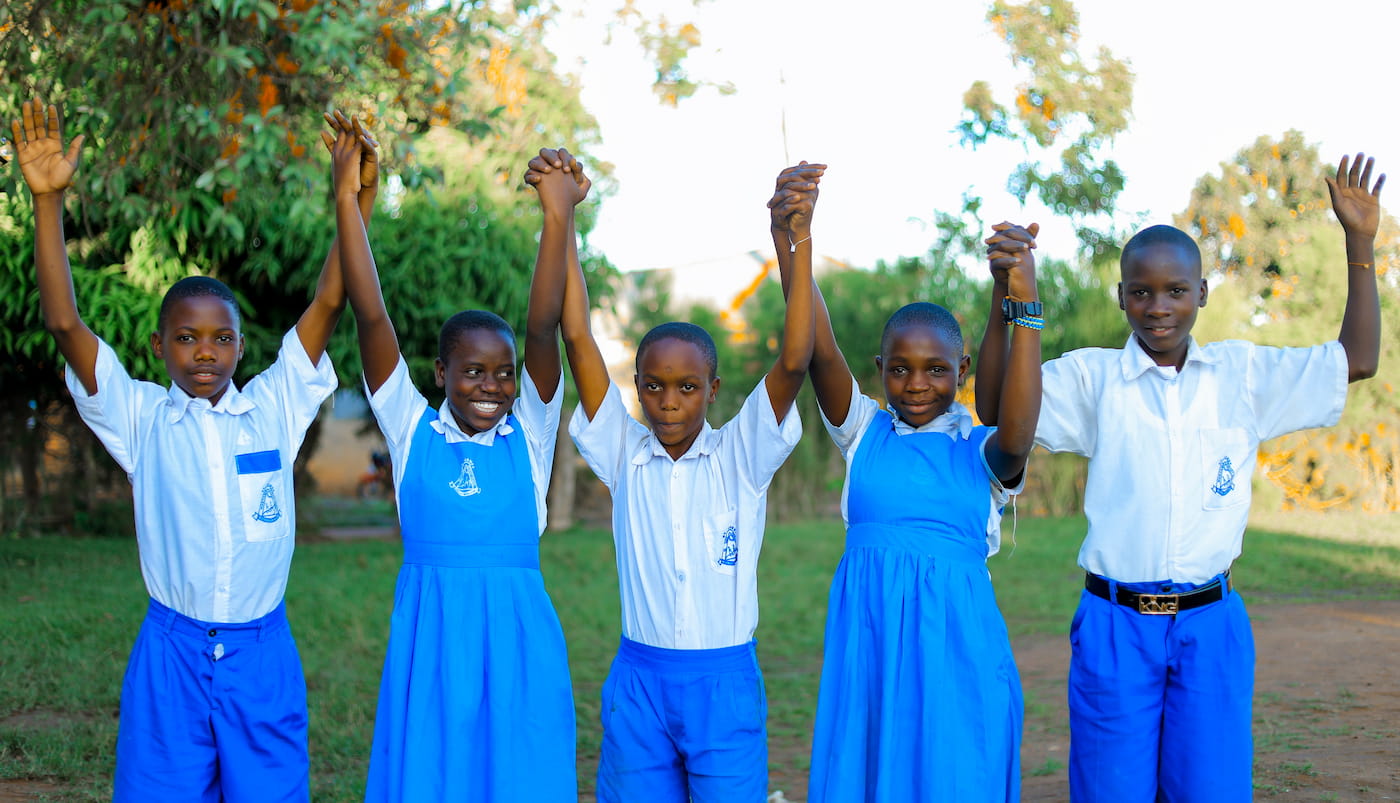

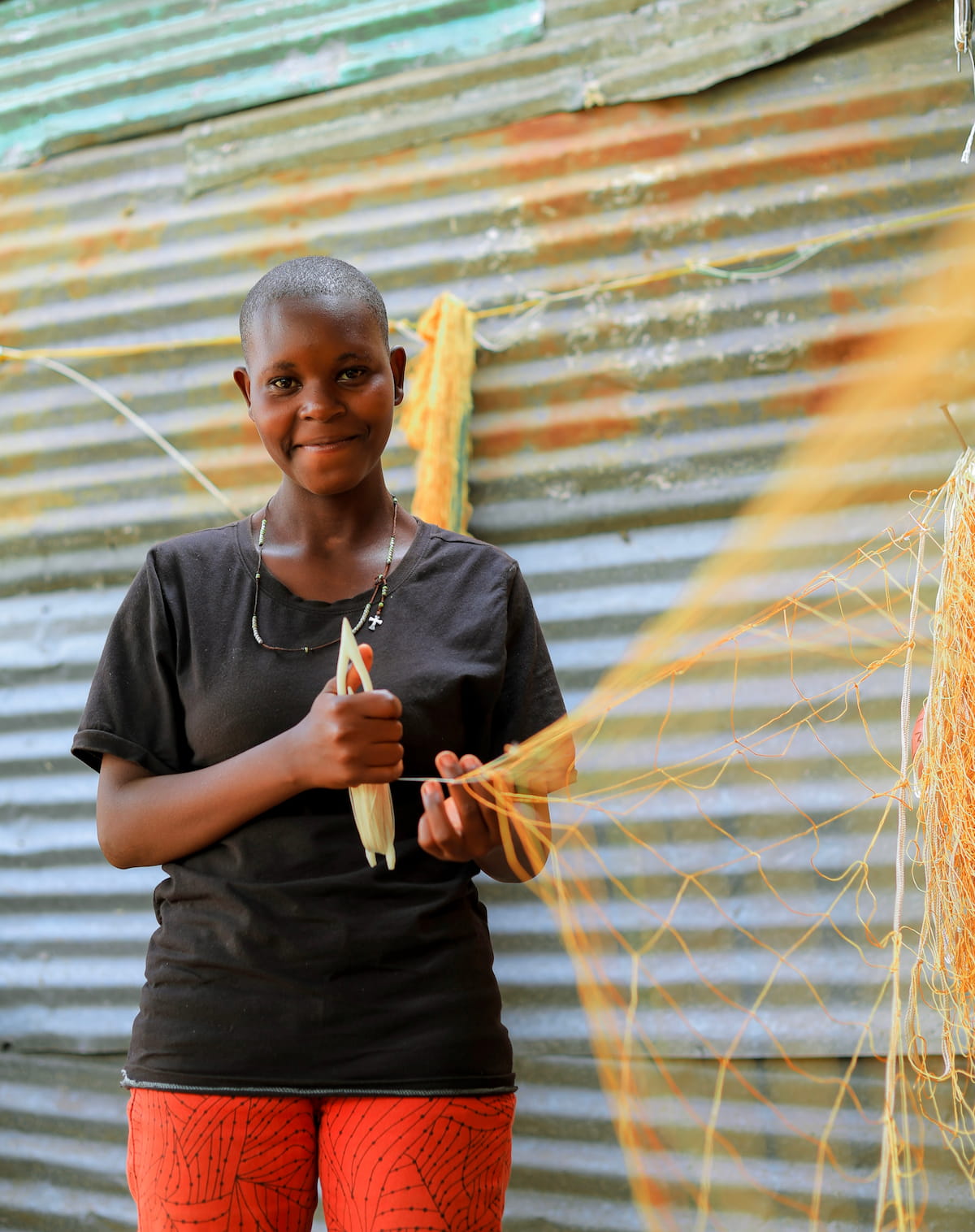
From Dreams of the Tropical Youth Uganda
Let me tell you about Kyotera.
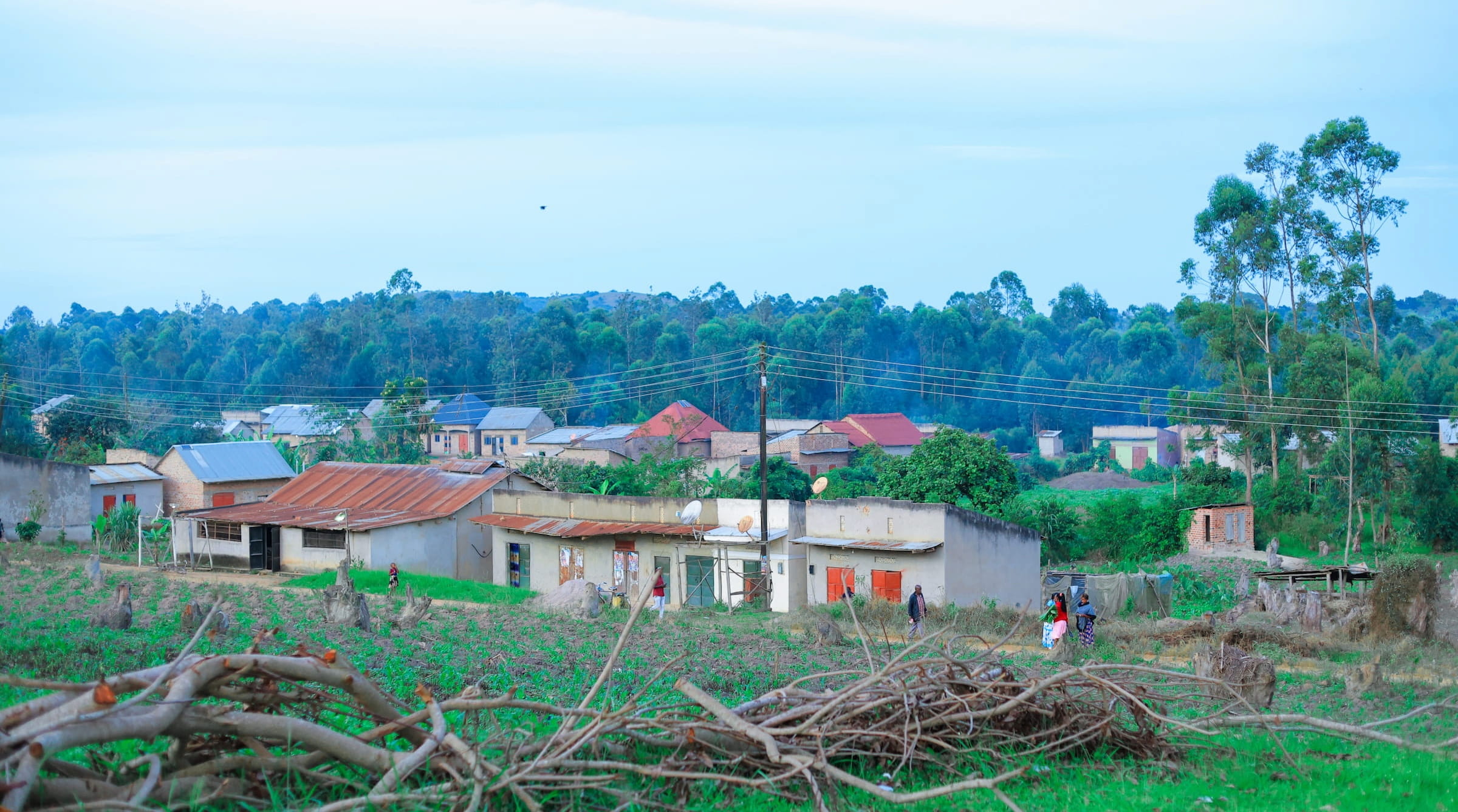
Kyotera sits in the south of Uganda’s Central Region, where the road from Kampala keeps going until it reaches the Tanzania border at Mutukula. To the east is Lake Victoria, the second-largest freshwater lake on the planet, though most people who live near it just call it the lake.
The land here is good. Rolling hills, red earth, banana groves and matoke gardens, coffee where the slopes are steep enough. In the rainy season, everything green deepens by a shade. In the dry season, the dust on the road south to the border catches the late-afternoon light and turns the whole world gold.
It’s beautiful country. People who come here remember it.
Most of the people who live in Kyotera are young. That’s true of Uganda generally — the median age is around 17, and more than three-quarters of Ugandans are under 25 — but it’s especially true here. Walk through any market or trading center on a weekday afternoon and the demographic is unmistakable: this is a place built and run by young people, mostly because young people are who’s here.
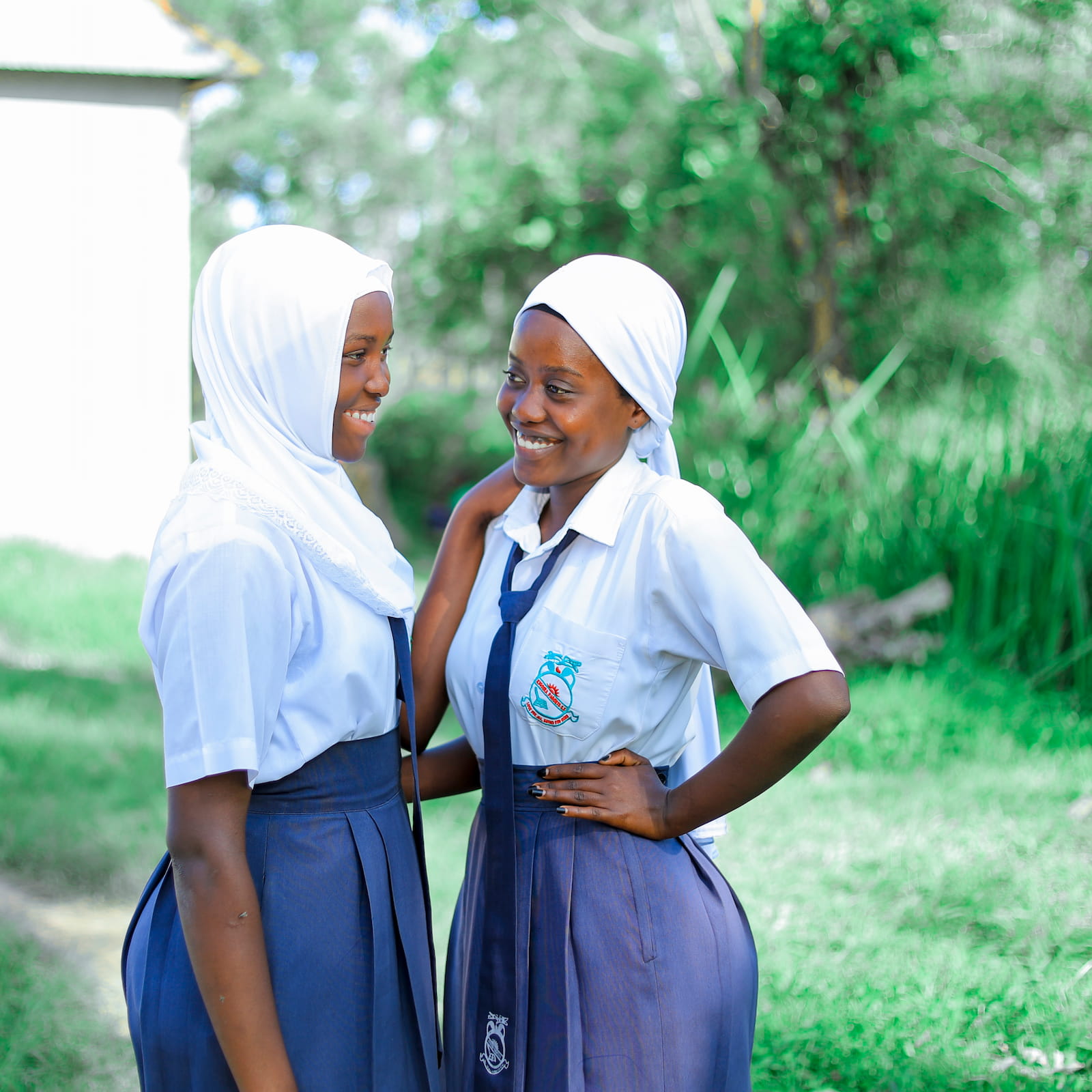
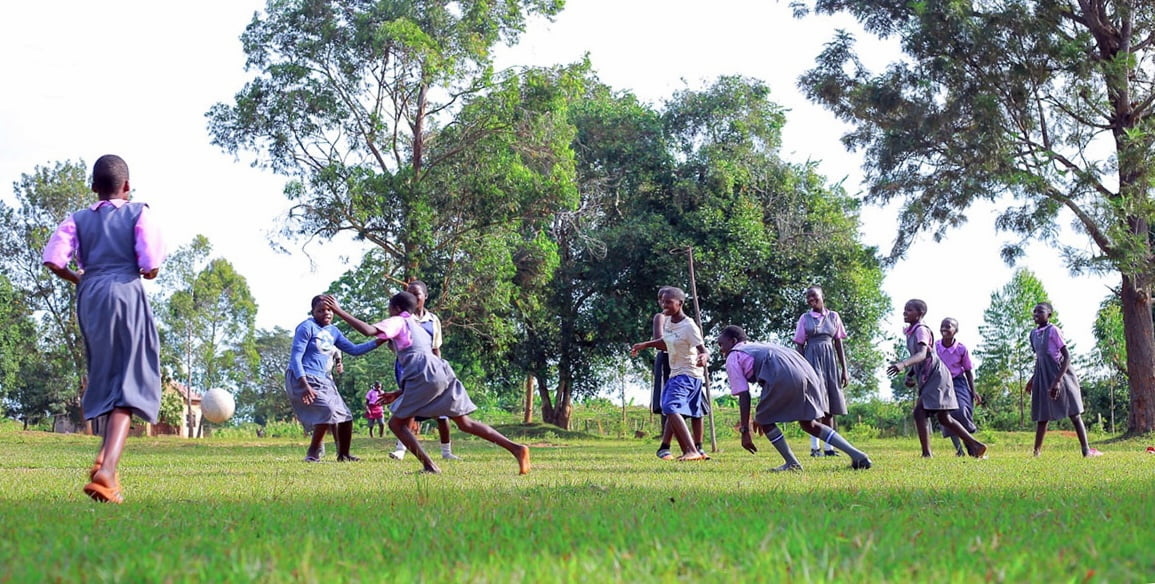
They are the children of farmers, fishermen, market traders, boda drivers. Some are in school, some are working, many are doing both. They play dodgeball in the dirt yards behind their schools. They sing on the way home. They tell jokes the way young people everywhere tell jokes — too loud, with too much laughing at their own punchlines. They carry water — a lot of water, every day, often a long way.
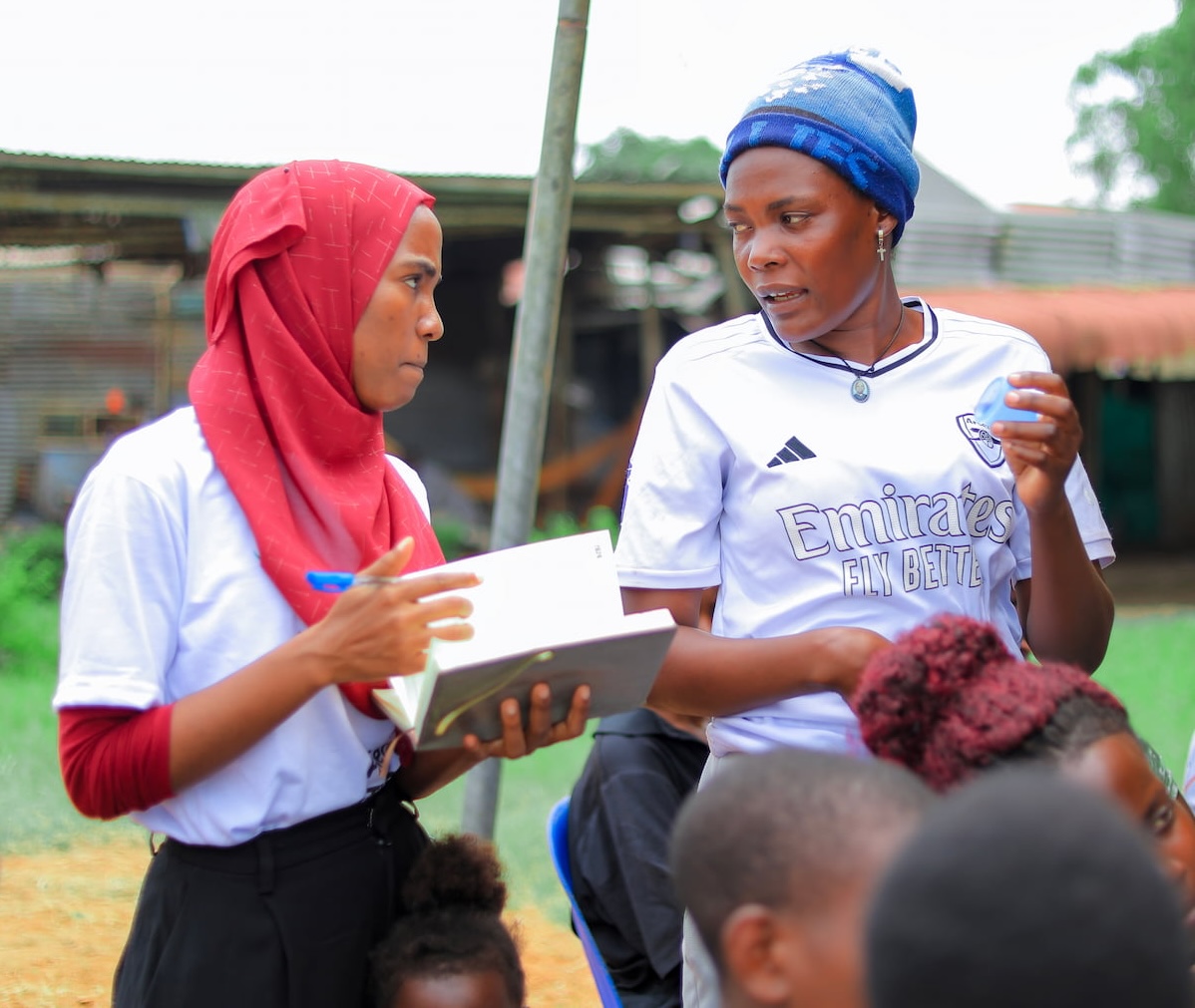
DROTY was founded here, by local youth in their early twenties. We are the only youth-serving, youth-led organization in this region. We are their generation, and the one coming up behind it. The people doing the work are the people the work is for.
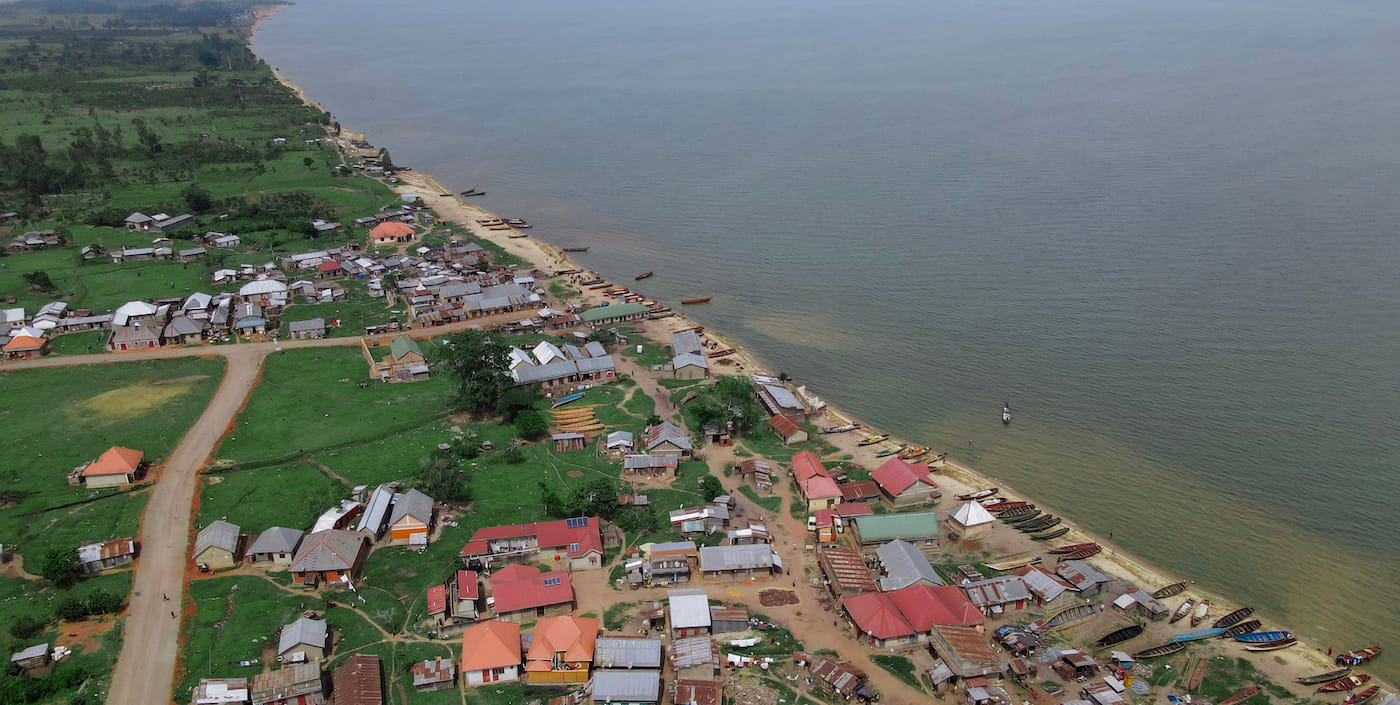
The young people of Kyotera have inherited two things: a place of extraordinary beauty, and a crisis forty years in the making.
In 1982, on the shores of Lake Victoria at a fishing landing site called Kasensero — which is in this district — doctors began noticing a disease nobody had a name for. People were losing weight quickly and dying. Locally, people called it slim. Three years later, the world would recognize it as AIDS, and Kasensero would be remembered as the place where HIV was first identified in Uganda.
Then Uganda got to work. Uganda was the first country in Africa to publicly acknowledge HIV. The first African AIDS support organization was founded here in 1987. Some of the most important HIV research in the world has been done in this district, by Ugandan and international scientists working together over four decades. AIDS deaths in Uganda have fallen by more than 60% since 2010.
Kyotera carries both halves of that history. HIV prevalence in this district is still about 13%, more than double Uganda’s national average of 4.9%. Young women are infected at roughly twice the rate of young men.
"The work the young people of Kyotera are doing today is shaping the next forty years."
A 40-year HIV epidemic is not just a disease. It is a generational shape. It means children growing up in households that lost a parent or a grandparent — and households where the eldest child is the parent now, raising younger siblings on their own. It means families stretched thin paying school fees that used to be shared across more earners. It means girls who lose days of school every month because their schools cannot meet basic needs. It means health, education, dignity, and opportunity tangled together until you cannot pull on one without pulling on the rest.
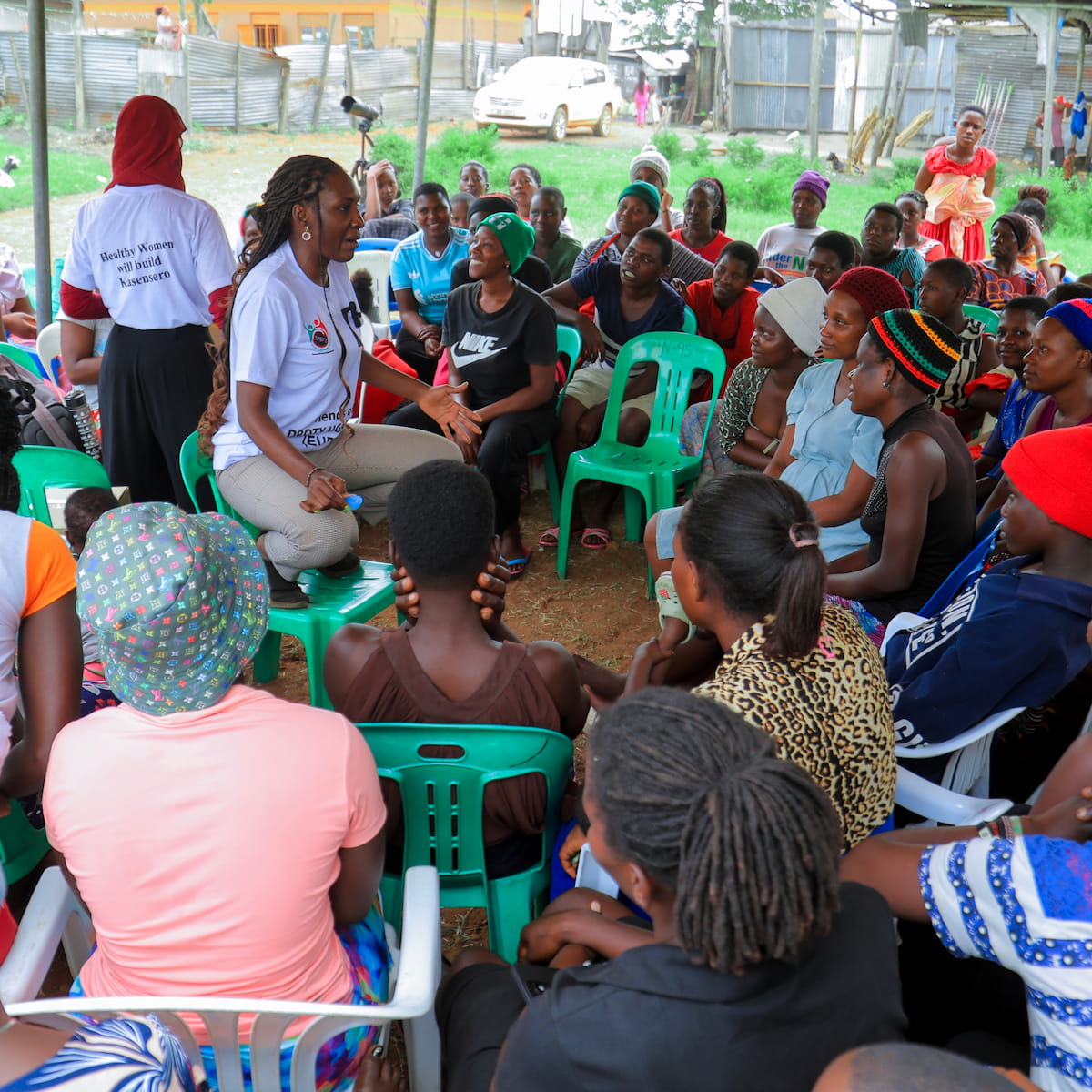
So our work is tangled the same way. We work in sexual and reproductive health, because that is the front line of preventing the next forty years from looking like the last. We support orphaned and vulnerable children, because the previous forty years left a lot of them. We help girls stay in school. We work on the conditions kids grow up in — the water, the latrines, the land itself. We train young people for the lives they’re building.
All of it has the same root.
Uganda AIDS Commission, December 2024
Uganda Bureau of Statistics, 2024 Census
UN World Population Prospects, 2024
Uganda Ministry of Health
This is our place.
These are our people.
This is our work.