

Our Approach
The issues are connected.
So is the work.
Our Values
Transparency
We are open with the people we serve, our partners, and our funders.
Accountability
We are responsible for our decisions and our use of resources.
Justice
We work fairly, regardless of religion, tribe, gender, or political affiliation.
Participation
We involve the people we serve in planning, doing, and evaluating the work.
Quality
We hold ourselves to a high standard in everything we deliver.
Professionalism
We bring trained, ethical practice to every part of our work.
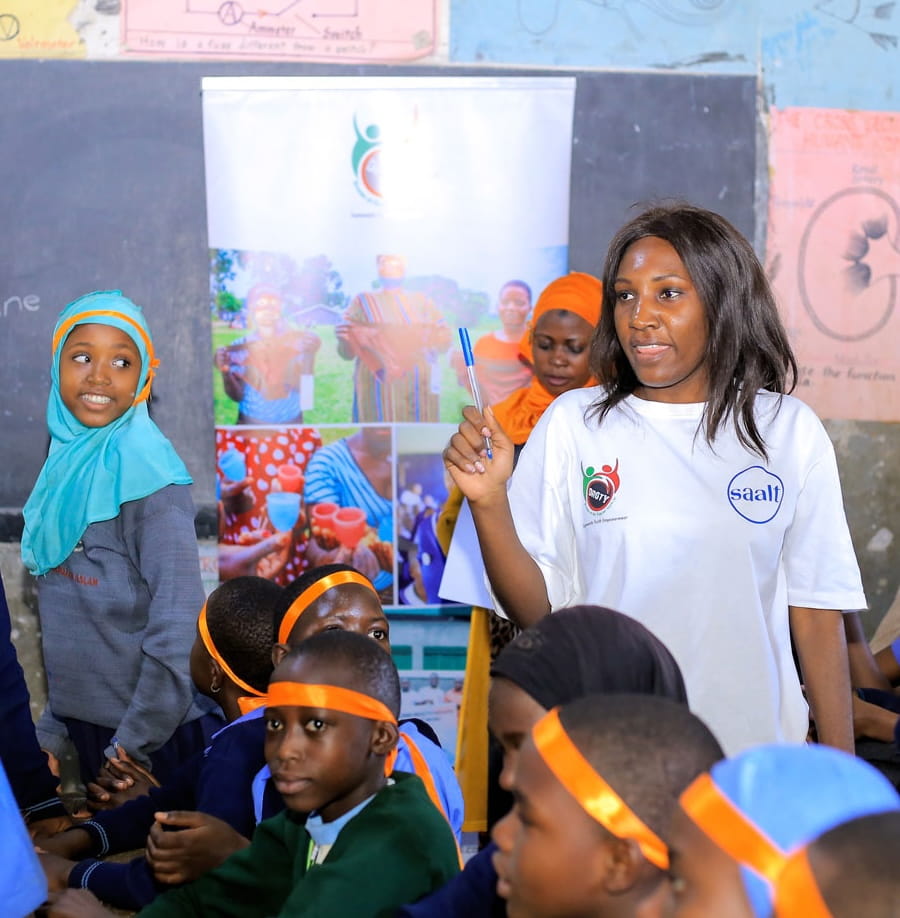
DROTY was founded by young people in Kyotera, and that fact shapes everything that comes after. We are not an organization that came here to help. We are from here. When we make decisions about what to do and how to do it, we are making them about and with people we know.
That changes the work. It means we start from what is already here — the schools, the families, the leaders, the young people themselves — and ask where a focused effort can make a real difference. We don’t bring solutions in from outside and try to make them fit. We work alongside the people closest to a problem and build from what they already know.
“It is more like doing good for the young people, with the young people, by the young people.”
— Timothy Ssessaazi, Executive Director
We work with international partners who share our priorities, and we are grateful for the partnerships that make our work possible. But the decisions about what gets done, where, and how are made here, by the people who live here.
Theory of Change
If our operations are sustainable — with strong partnerships, networks, and learning among partners and stakeholders, quality programming, and functional systems — this will lead to a healthy, vibrant, well-coordinated organization.
If stakeholders mobilize health service providers to participate in adolescent and reproductive health advocacy, and increase access to reproductive health services and information, this will lead to resilient and proactive young people who are able to make healthy and informed choices.
If we strengthen collaboration with government health agencies on Adolescent and Youth Sexual Reproductive Health and Rights policies and regulatory frameworks, this will lead to responsive reproductive health institutions and pro-youth policies.
Then we will realize a community where vulnerable rural young people lead healthy and fulfilling lives.
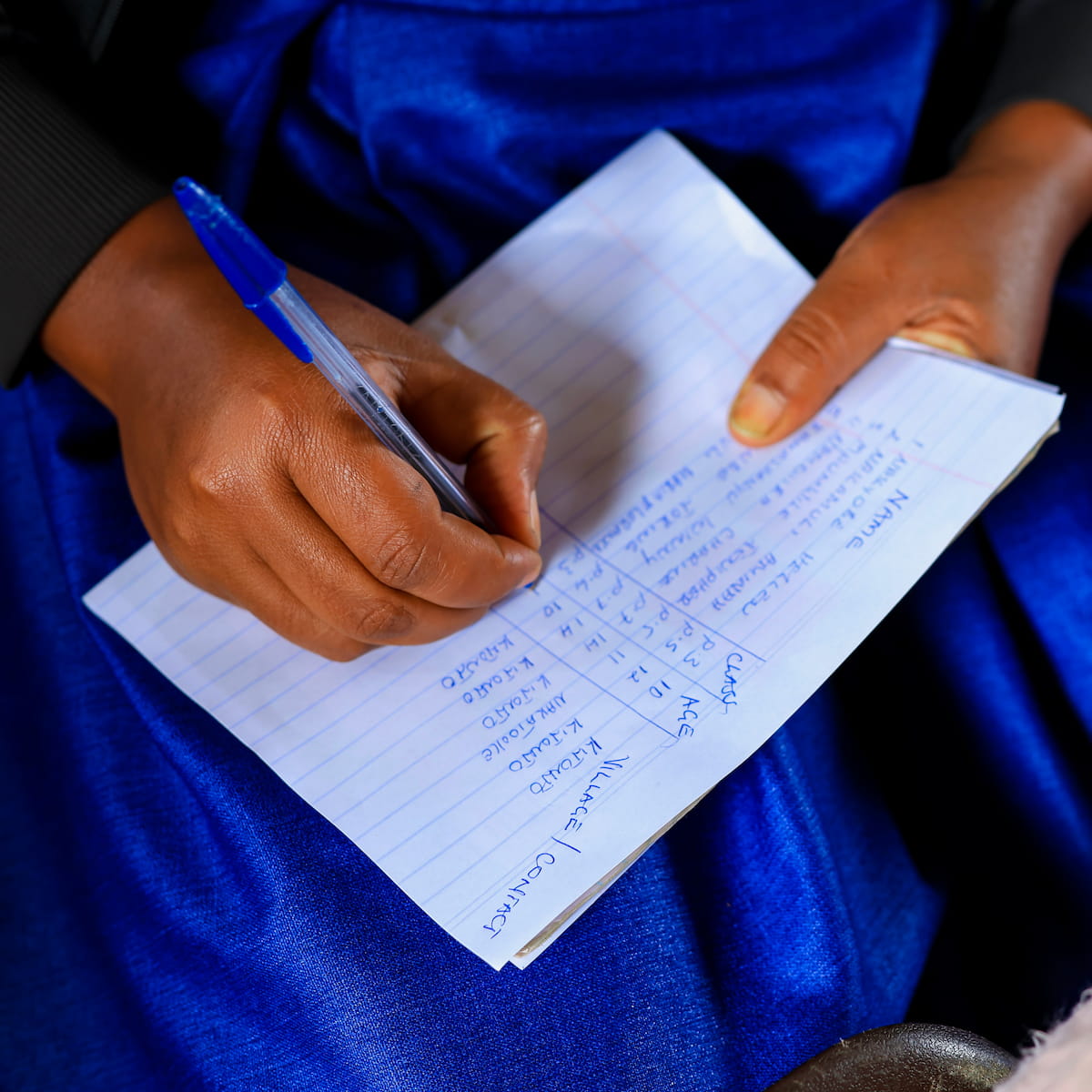
This part of southern Uganda is small. Our work happens across Kyotera, Rakai, and the surrounding districts — at Kyotera Parents School, at the Kasensero landing site, in trading centers along the Kampala-Mutukula road — and the people doing it know each other.
That closeness is part of how the model works. When something we do at one school changes how girls show up to class, the headteachers at the next school over hear about it within weeks. When a partnership goes well, the next partnership comes more easily. We move at the pace of trust, which is sometimes slower than we would like, but it is the pace at which the work lasts. The distribution of supplies is the easy part. What matters is what happens afterward — coming back to see how things are going, listening to what is and isn’t working, staying connected with the people we’ve worked with. That is where the real work begins.
Sexual and reproductive health is the thread that runs through most of what we do, because forty years of HIV in this district has shaped what young people need most. Around that thread, we work on water and sanitation, school environments, support for orphaned and vulnerable children, and training young people for the lives they’re building. We treat issues that look separate — SRH, mental health, substance abuse, the conditions kids grow up in — as connected aspects of one problem. The work is the same throughout.
The problems young people face don’t operate at one scale, so neither does our work. Most of what we do happens locally — workshops, partnerships, the slow building of trust at specific schools. But the conditions that shape young people’s lives extend beyond any one district, so we also work in coalitions with other Ugandan organizations, contribute to policy conversations, and speak publicly when those decisions affect the work we do — because what shapes young people’s lives in Kyotera is rarely decided in Kyotera alone.